
Last updated: May 27, 2026
First-time Japan itineraries often get stuck on the same question: should the trip start in Tokyo or Kyoto? The answer matters because these cities do not solve the same travel problem. Tokyo is a high-energy launchpad with range, speed, and density. Kyoto is slower, more selective, and usually easier to absorb if your priority is temples, walkable districts, and a quieter rhythm.
If you only have one week or you know you will not return soon, the decision matters more than most travel debates. A good Tokyo vs Kyoto first time plan is less about picking the objectively better city and more about choosing the right opening tempo for the kind of Japan trip you actually want.
Video perspective: how the two cities feel on a first trip
This comparison video is useful because it makes the mood difference obvious: Tokyo feels like an endless set of options, while Kyoto feels more deliberate and place-based from the first day.
Quick answer
For most first-time visitors, Tokyo is the safer starting point if you want variety, easier transport logic, more hotel choice, and a broader view of modern Japan. Kyoto is the stronger first stop if your dream trip is centered on traditional streets, temples, gardens, and a slower daily pace. With 10 to 14 days, the most balanced answer is usually simple: start in Tokyo, then move to Kyoto by shinkansen once your body clock and planning rhythm are settled.
For cost planning and packing, keep the Japan budget planner 2026 and best carry-on packing list 2026 open alongside this guide.
If you only have 5 days: skip the debate and choose one city. Tokyo for 5 days gives you a real trip. Kyoto for 5 days gives you a real trip. Trying to split 5 days between both gives you two half-trips and one long travel day in the middle. Pick based on your clearest priority, modern Japan or traditional Japan, and do not compromise it.
The two cities side by side
| Tokyo | Kyoto | |
|---|---|---|
| Daily budget (mid-range) | €100–€160 | €90–€150 |
| Hotel range (mid-range) | €70–€160/night | €80–€160/night (higher in peak season) |
| Best base neighborhood | Shinjuku, Shibuya, Asakusa | Gion, Higashiyama, Downtown (Karasuma) |
| Main transport | Metro + JR (IC card essential) | Bus + walking (IC card works) |
| Pace | Fast, flexible, high-density | Slower, more deliberate |
| Best for | First-time visitors, variety seekers, solo travelers | Culture-first travelers, couples, repeat visitors |
| Ideal length | 4–5 days | 3–4 days |
| Airport access | Narita (60–90 min, €12–30) or Haneda (30–45 min, €5–15) | No major airport — arrive via Tokyo or Osaka (Kansai) |
The budget and entry figures below are best used as rough planning ranges, not live quotes. Hotel prices, transport costs, and attraction fees move with season, booking window, and exchange rate, so verify the current numbers before you lock the route.
What you actually lose by skipping each city
If you skip Tokyo: you lose the density. Not the quantity of things to do, but the experience of a city where a 10-minute walk in almost any direction can produce a different neighborhood, food option, design language, or cultural register. The best of Tokyo, from Golden Gai at midnight to Yanaka on a slow morning, cannot be approximated elsewhere in Japan. Osaka is lively, but it is not Tokyo. Kyoto is the opposite kind of trip.
If you skip Kyoto: you lose the version of Japan many first-time travelers imagined before they booked the flight. Fushimi Inari at dawn, the Higashiyama stone lanes before 8am, a quiet temple garden on a weekday morning: these do not really exist in Tokyo. You can see temples in Tokyo. You cannot recreate Kyoto’s concentration of temples, wooden streets, and old-city atmosphere anywhere else.
Tokyo: what it does well and who should start here
Tokyo works especially well as a first stop because it is forgiving. Hotel choice is broad across every price point, transport is intimidating only until you tap an IC card twice, and the city gives you many ways to correct course if your mood or budget changes mid-trip.
Tokyo’s neighborhoods — which ones matter for a first trip
Shinjuku is the most practical base for first-time visitors: the west side has department stores, a covered market street (Omoide Yokocho, tiny skewer restaurants under the rail tracks), and easy access to the Shinjuku Gyoen garden (€2.50 entry, excellent for a slow morning). The Golden Gai area on the east side — 200+ tiny bars each seating 6–8 people — is one of the most atmospheric evening districts in Asia. Accommodation ranges from €60–120/night for a good business hotel in the area.
Asakusa has the oldest Tokyo atmosphere: the Senso-ji temple (free, open 24 hours, best before 8am) is the city’s most visited site. The Nakamise shopping street leading to it is crowded during the day and lovely in the early morning. The Skytree (€15–21 observation deck) is a 10-minute walk. For a first-time visitor who wants traditional atmosphere alongside modern Tokyo, Asakusa as a base with day trips to Shibuya and Harajuku is a strong structure.
Shibuya and Harajuku are better as day-trip destinations than as a base. The Shibuya crossing (busiest pedestrian crossing in the world, most dramatic at night), the Harajuku Takeshita Street for youth fashion culture, and the Meiji Shrine (free, peaceful even when busy) form a logical combined day. The Omotesando avenue between the two is Tokyo’s architecture and high-end shopping strip.
Worth knowing, and rarely in guidebooks:
Yanaka is the overlooked neighborhood that rewards returning visitors: old wooden shopfronts, a cemetery that functions as a park, a covered shopping street (Yanaka Ginza) with affordable food stalls, and almost no tourist crowds. A half-day here on a slow morning changes the understanding of Tokyo more than a third visit to Shibuya does.
What to eat and what it costs
Ramen: €7–12 at a stand-up or sit-down shop. Sushi at Tsukiji Outer Market (the old wholesale market area, still operating for retail): €2–5 per piece at morning stalls, open from 5am. Tempura set lunch at a mid-range restaurant: €12–18. Omakase tasting menu at a high-end sushi counter: €80–200 per person. Convenience store (7-Eleven, Lawson, Family Mart) onigiri and prepared food: €1–3 per item, consistently good quality. Tokyo’s food range at the low end is exceptional — eating well costs less than €30/day with selective choices.
Key attractions with entry prices
Senso-ji Temple (Asakusa): free. Meiji Shrine: free. teamLab digital art installations: €25–35, advance booking essential. Tokyo National Museum (Ueno): €8. Shinjuku Gyoen garden: €2.50. Tokyo Skytree observation deck: €15–21. Imperial Palace East Garden: free. Hamarikyu Gardens: €3, heated teahouse overlooking the tidal pond included.
Who should start in Tokyo
Travelers who want variety before committing to a slower pace. Solo travelers who like flexible days and neighbourhoods that reward aimless walking. First-time visitors with 7 to 10 days who want modern Japan to anchor the trip. Anyone arriving with jet lag who wants a forgiving first city — Tokyo has so many options that a slow first day feels correct rather than wasted.
The trade-off: Tokyo can overwhelm if you confuse availability with obligation. The city rewards editing. Trying to cover Shinjuku, Shibuya, Harajuku, Akihabara, Asakusa, and Yanaka in three days produces a blur, not a trip. Four focused neighborhoods done well is a stronger first Tokyo than seven done badly.
Kyoto: what it does well and who should start here
Kyoto works best when you already know what you want: atmosphere, temples, traditional streets, slower mornings, and a more selective itinerary. It is not smaller in significance. It is simply narrower in mode — and that narrowness is exactly what some travelers need.
Kyoto’s districts — what each one offers
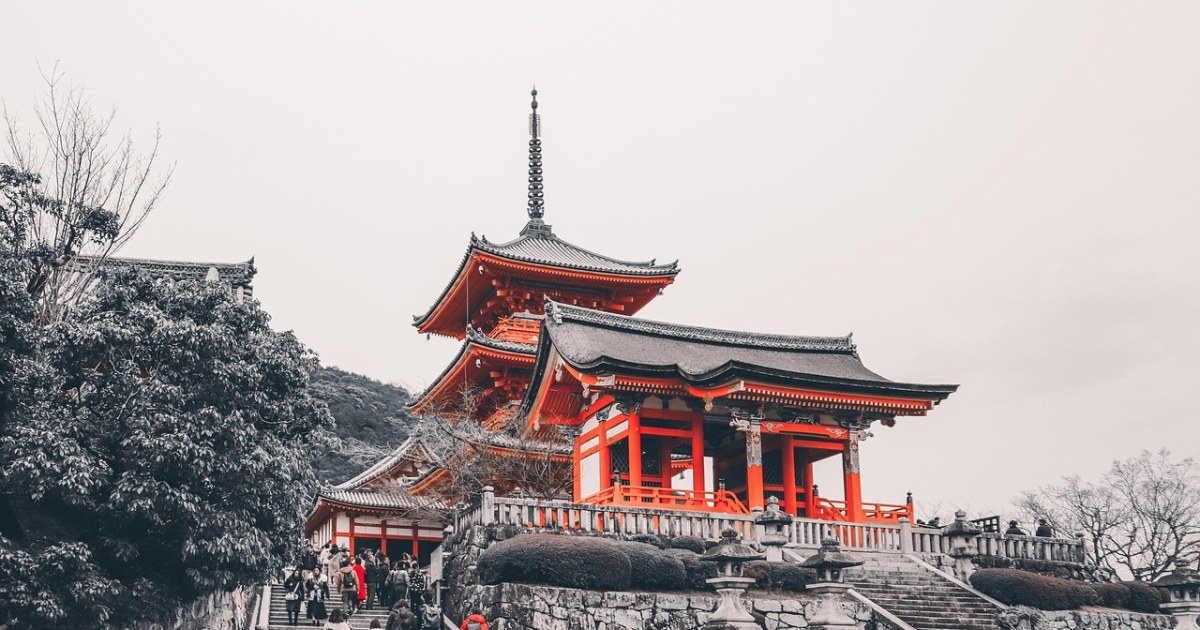
Higashiyama is the classic Kyoto district: the preserved machiya (wooden townhouse) streetscape of Ninenzaka and Sannenzaka leads through stone-paved lanes to Kiyomizudera temple (€3.50 entry, hillside wooden platform with city views). The Gion district begins at the bottom of Higashiyama — Hanamikoji Street is where maiko and geisha still walk to evening appointments. Base your Kyoto accommodation here if budget allows (€100–160/night for a good ryokan or guesthouse) — the early morning atmosphere before 7am is unlike anywhere else in Japan.
Arashiyama is a 30-minute bus or train ride from central Kyoto and deserves a full half-day. The bamboo grove (free, 5 minutes from the station) is best before 8am — by 10am it is crowded. Tenryu-ji garden (€5.50 inside the garden, €11 with temple buildings) is one of the finest Zen gardens in Japan. The Togetsukyo bridge over the Oi River with mountains behind it is the classic Kyoto photograph. Monkey Park Iwatayama (€5) adds an unusual optional detour — wild Japanese macaques with a city view from the hillside feeding area.
Fushimi Inari is a separate train stop south of central Kyoto (20 minutes from Kyoto Station, free entry at any hour). The thousands of vermillion torii gates climbing the mountain are photographed worldwide — but most photographs are taken from the bottom 15 minutes of a 2–3 hour trail. Arriving at 6am and walking to the mid-mountain rest area (45 minutes up) before the crowd arrives produces a completely different experience from arriving at 11am. This is worth a very early morning if it is on the itinerary.
Philosopher’s Path is a 2km canal-side walking path through Nanzenji temple district connecting to the Silver Pavilion (Ginkakuji, €5.50). In spring it is lined with cherry trees; in winter it is quietly beautiful; in summer it is green and shaded. This is a half-day structure: Nanzenji (free to enter the grounds, €5.50 for the main hall) to Honen-in (free, hidden wooded temple) to Ginkakuji, then lunch in the neighborhood.
What to eat and what it costs
Kaiseki (traditional multi-course Kyoto cuisine) at a mid-range restaurant: €40–80 per person for dinner. Lunch kaiseki is the value play — many restaurants serve the same dishes at lunch for €20–40. Nishiki Market (covered market street, central Kyoto, free to enter): tofu skewers at €1–2, pickled vegetables, fresh yuba (tofu skin), and seasonal street food throughout. Ramen and udon in the covered shopping arcades (Shijo-Kawaramachi area): €8–12. Matcha sweets and tea at a traditional tea house near Gion: €5–10 for a set.
Key attractions with entry prices
Fushimi Inari Taisha: free. Kinkakuji (Golden Pavilion): €3.50. Kiyomizudera: €3.50. Ryoanji (rock garden): €5.50. Tenryu-ji garden: €5.50. Nijo Castle: €6.50. Philosopher’s Path: free. Gion Hanamikoji: free to walk. Arashiyama bamboo grove: free.
Who should start in Kyoto
Travelers whose top priority is temples, gardens, and historical atmosphere. Couples or slower-paced travelers who want fewer daily decisions and a trip that feels coherent rather than encyclopedic. Visitors who already know they care more about the Japan that existed before 1900 than the one built after 1960. People building a culture-heavy first trip who would feel overstimulated by Tokyo’s scale on day one.
The trade-off: Kyoto can feel less forgiving if the itinerary is weak. Hotel location matters more than in Tokyo — staying near Kyoto Station (convenient but atmospheric vacuum) versus staying in Gion or Higashiyama (much higher atmosphere, higher cost) changes the trip significantly. Bus transport can be slow and crowded in peak season. And if the first two days are overscheduled with back-to-back temple visits, even Kyoto’s best moments can start feeling like obligations.
Getting between Tokyo and Kyoto
The Tokaido Shinkansen (bullet train) is the standard connection. The Hikari service is slower but works well for many itineraries and is covered by many rail-pass use cases. The Nozomi service is faster, but not always included when travelers use a pass. Reserved seating is worth considering on busy travel days and holiday periods. Left-luggage forwarding services (takuhaibin) are genuinely useful if you want to travel the shinkansen with only a day bag.
A practical itinerary: 10–14 days, Tokyo first
Days 1–4: Tokyo — Recover from the flight on day 1 (Asakusa walk, conveyor belt sushi, early night). Days 2–4: one focused area per day — Shinjuku/Golden Gai, Shibuya/Harajuku/Meiji Shrine, Yanaka/Ueno Museum. One day trip if energy is high: Kamakura (1 hour by train, €6 return, Great Buddha €3) or Nikko (2 hours, €25 return, Toshogu shrine complex).
Days 5–8: Kyoto — Day 5: arrive late morning, afternoon in Nishiki Market and Gion walk (no rush). Day 6: early Fushimi Inari (6am), afternoon Kinkakuji and Ryoanji. Day 7: Arashiyama full morning, Philosopher’s Path afternoon. Day 8: Nijo Castle morning, Nishiki for lunch, free afternoon before Osaka move or Tokyo return.
Days 9–11 (optional): Osaka or Nara — Nara is 45 minutes from Kyoto by train (€5), free-roaming deer, Todai-ji temple (€6.50 for the Great Buddha Hall). Osaka is 15 minutes from Kyoto by shinkansen or 75 minutes by local train — Dotonbori food street, Kuromon Market, Osaka Castle (€5.50 main tower). Osaka works as a one-night stay with an evening food focus before flying home from Kansai International Airport (45 minutes, €8).
The real decision: pace, budget, and what you actually want
Most Tokyo vs Kyoto debates go nowhere because they treat the cities as rivals instead of tools. Tokyo is the better answer to “I want options.” Kyoto is the better answer to “I want focus.” Neither is more authentic. They simply ask for different attention.
On budget: the daily cost difference between the two cities is smaller than people assume. Tokyo offers more accommodation range at the budget end, which gives cost-conscious travelers more room to adjust. Kyoto’s best-located hotels and ryokans in Higashiyama or Gion often cost more than equivalent Tokyo options. The gap closes quickly if you compare similar location quality.
On what you do not want to miss: if missing Tokyo’s food range, neighborhood variety, and modern culture would genuinely bother you, start there. If missing early-morning Fushimi Inari or a quiet Philosopher’s Path walk would bother you more, start in Kyoto. First stops shape memory. Pick the city whose absence would feel larger.
The most common mistake on a Tokyo + Kyoto first trip: adding Osaka. Osaka is easy to reach from Kyoto and appears on many itineraries as an obvious add-on. For most first-time travelers on a 10-day trip, it is one city too many. You arrive tired, spend half a day eating in Dotonbori, and leave without absorbing much. If you have 14 days, Osaka as a final night before flying home from Kansai can make sense. If you have 10 days, protect the time you already have in Tokyo and Kyoto. Both cities reward slower days more than Osaka rewards a rushed one.
Official planning pages worth checking
- Japan National Tourism Organization for trip-planning basics and seasonal guidance
- Japan Rail Pass official site for current pass rules and pricing
- Go Tokyo for current Tokyo district and attraction information
- Kyoto City Tourism for current Kyoto district and attraction information
Final recommendation
If you are still undecided, choose Tokyo first unless your priorities clearly point elsewhere. It is the easier city to begin in, the better city for recalibrating after a long flight, and the stronger base when you are still figuring out what you want the rest of the trip to feel like. Choose Kyoto first only if you already know you want the trip to begin quietly, selectively, and with cultural concentration rather than urban range.
The best first-trip itineraries respect your energy rather than maximize city count. One city done well and remembered clearly is worth more than five cities visited in blur mode.
FAQ
Is Kyoto cheaper than Tokyo?
Not reliably, and the comparison usually flips depending on where you stay. Tokyo has more budget accommodation options and more price competition across the board. Kyoto’s best-located hotels, especially the ones within walking distance of Higashiyama and Gion, are genuinely expensive and can match or exceed comparable Tokyo pricing. If you choose Kyoto and book a cheaper hotel near the station to save money, you add transit cost and lose atmosphere. The practical rule: budget the same daily amount for both cities, then let the hotel location decision drive the actual number rather than the city name.
How many days do you need in each city?
For a first trip, three to four full days in Tokyo and three to four full days in Kyoto is a strong baseline. Less than three days in either city turns it into checklist mode. More than four days in each is valuable if you plan lighter days and nearby excursions (Kamakura from Tokyo, Nara from Kyoto) rather than stacking major sights every day.
Can you do both Tokyo and Kyoto in one week?
Yes, but one of the cities will be sampled rather than properly experienced. A workable one-week split is 3 nights Tokyo, 3 nights Kyoto, with one travel day. It works best when both cities are kept focused — do not try to add Osaka and Nara to a 7-day itinerary that already includes both cities.
How do you get from Tokyo to Kyoto?
The Tokaido Shinkansen is the standard route. The Hikari service is slower but widely useful; the Nozomi is faster but not always included when travelers rely on a pass. Whether a rail pass is worth buying depends on your exact route and how many longer intercity legs you are stacking. Price the real itinerary with current official fares before deciding.
Which city has better food for a first trip?
Different food, both excellent. Tokyo has the widest range in the world at every price point — ramen, sushi, tonkatsu, izakaya, yakiniku, conveyor belt sushi, standing bar food. Kyoto has a more specific identity: kaiseki (traditional multi-course), tofu cuisine, matcha sweets, and Nishiki Market street food. For variety and budget eating, Tokyo is stronger. For experiencing a distinctly Kyoto food culture, Kyoto is the only option.
Which neighborhood should I base in for Tokyo?
Shinjuku for the most practical combination of transport access, food options, and evening energy. Asakusa for traditional atmosphere and proximity to the Senso-ji temple district. Shibuya for a younger, more modern feel. For most first-time visitors, Shinjuku or Asakusa gives the best day-to-day experience — pick based on whether you want urban convenience or historic atmosphere as your daily backdrop.
Which neighborhood should I base in for Kyoto?
Gion or Higashiyama for atmosphere — the preserved streetscapes, early morning quiet, and walking access to most major sites justify the slightly higher accommodation cost (€100–160/night). Downtown near the Shijo-Kawaramachi intersection for the most practical transport and shopping access. Kyoto Station area is convenient for arrivals and departures but lacks atmosphere — worth avoiding for the main nights unless budget requires it.
Which city is better for solo travelers?
Tokyo is the easier first choice for solo travelers because the variety, lodging range, and late-night food scene create more flexibility. Kyoto can be excellent solo — especially for travelers who enjoy slow mornings, neighbourhood wandering, and solo temple visits — but it rewards a more intentional pace from the start and offers less spontaneous social infrastructure than Tokyo’s izakaya and bar scene.