
Last updated: August 13, 2026
The wrong first live sports event is usually not the wrong sport. It is the wrong combination of atmosphere, visibility, ticketing, and exit logistics.
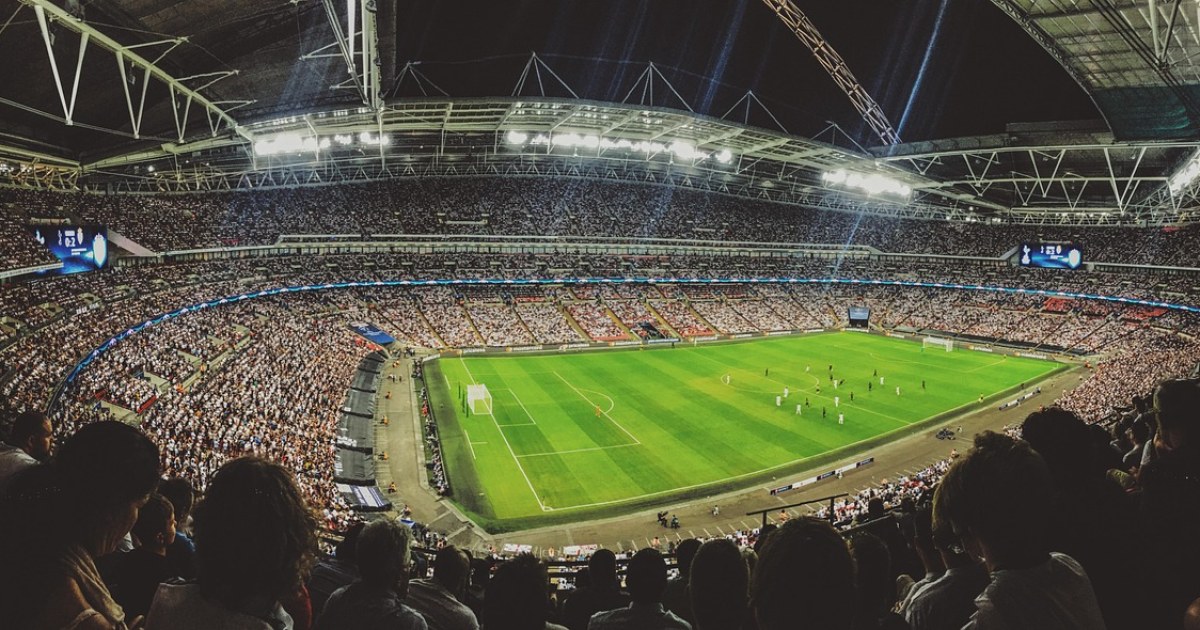
A sold-out football derby sounds thrilling until you are in a packed standing section, behind flags, surrounded by chants you do not understand, and unsure how to get back to the hotel after the final whistle. Formula 1 general admission can look like a clever budget ticket until you realize that early arrival, weather, partial views, and two-hour exits are part of what you bought.
This guide is not trying to rank sports. It is trying to help a traveler choose a first live event that will actually feel good on the day. The right first event is not always the most famous one. It is the event where the sport, seat, crowd, ticket route, and transport plan match your tolerance for friction.
For broader trip planning, pair this with our guide to building a trip budget that does not break in week two.
Quick Answer
For most first-time sports travelers, the safest choices are a regular-season football match with a reserved sideline seat, a tennis tournament ground pass or smaller ATP/WTA session, a baseball game, or an indoor basketball game. Those events give you atmosphere without making the whole day depend on obscure ticket rules, extreme crowd intensity, or difficult transport.
Save derbies, championship finals, Grand Slam show courts, and Formula 1 general admission for later unless you are deliberately choosing a more complex day. Those events can be fantastic. They are just less forgiving when you do not yet know how live sport feels in person.
Choose The Event Before You Choose The Ticket
The first decision is not “which team?” or “which race?” It is what kind of day you want.
| Event type | Best first-timer use case | Main trap |
|---|---|---|
| Regular-season football in Europe | Local culture, crowd energy, and a city experience around match day. | A derby or supporter section can overwhelm a first-timer. |
| Tennis tournament session | Clear sightlines, structured pacing, and an easy sport to follow live. | Grand Slam ticketing can be more complicated than the match itself. |
| Formula 1 or motorsport | Spectacle, sound, and a festival atmosphere around the circuit. | General admission does not guarantee a good view, and circuit logistics are heavy. |
| NFL international game | Organized stadium day, strong pre-game atmosphere, and modern facilities. | The game is long if you do not understand the rules. |
| Baseball | Relaxed, social, low-pressure live sport with comfortable pacing. | It can feel slow if you want constant action. |
| Basketball | Fast action, indoor comfort, and good views from most arena seats. | NBA prices in major cities can be high. |
The pattern is simple: the more famous the event, the more the ticketing and logistics matter. A smaller version of the same sport is often the better first event. You learn what you like without making one expensive day carry the whole trip.
Where First-Timers Get It Wrong
The most common mistake is buying atmosphere while forgetting visibility. The loudest section in the stadium is not always the best first seat. If you are behind the goal, low to the pitch, or in a standing section, the energy may be incredible but the game can be harder to follow. For a first football match, a mid-level sideline seat is usually better than the cheapest or loudest section.
The second mistake is treating resale as the default. Check the official ticket source first. Some events have official resale, ballot routes, member sales, or day-of options. Others are strict about unauthorized resale. Wimbledon, for example, is explicit that only AELTC and authorized sellers are valid ticket sources. Some football clubs can also cancel tickets bought through unauthorized channels.
The third mistake is underestimating the exit. A match that ends at 10:45pm in a city you do not know is not just a 90-minute event. You still need to get out of the venue, reach transit, ride with everyone else leaving at the same time, and get back safely. Plan the exit before kickoff, not when your phone battery is low and the crowd is already moving.
The fourth mistake is buying general admission without understanding the venue. At some events, GA is flexible and fun. At others, it means arriving early, standing for hours, holding a spot, dealing with sun or rain, and accepting a partial view. Formula 1 ticket pages warn that GA views vary by location and early arrival matters. That is not a tiny detail. It is the product.
The Four Gatekeeper Questions
Before buying, ask four questions.
1. Do I want atmosphere first, or clarity first? If this is your first live event, clarity should probably win. You can still get atmosphere from a good seated section, but a bad sightline can make the whole day confusing.
2. Am I comfortable with queueing and uncertain seating? If the answer is no, avoid general admission at major events. Buy a reserved seat. Paying a bit more for certainty is not wasteful when the trip itself is already expensive.
3. Can I afford the full day, not just the ticket? Add checkout fees, transport, food, drinks, return logistics, and any late-night taxi or hotel premium. A EUR 40 ticket can become a EUR 90 day very easily.
4. Do I want cultural intensity or a softer first experience? There is nothing wrong with choosing comfort. A regular-season match, a smaller tennis tournament, or an indoor basketball game can be more enjoyable than a famous event that is stressful from start to finish.
Ticket Routes That Matter
Ticketing is part of the experience. If the ticket route is stressful, risky, or opaque, that friction belongs in the decision.
| Event | Official route to check first | First-timer note |
|---|---|---|
| Wimbledon | Public Ballot, official hospitality, approved packages, or The Queue. | Do not treat random resale as harmless. Wimbledon publishes strict ticket-source rules. |
| US Open Tennis | Official Ticketmaster US Open sales. | Grounds passes and reserved sessions can create very different days. |
| NFL London games | NFL international games ticket information and official sale windows. | Good facilities and atmosphere, but tickets can sell quickly. |
| Formula 1 | Official F1 ticket pages for each circuit and ticket type. | Read the difference between general admission and grandstand before comparing prices. |
| Club football | Club ticket office, official resale, or authorized ticket partners. | Unauthorized resale can be refused. A calmer match is usually easier than a derby. |
Reserved Seat vs General Admission
For a first event, a reserved seat is usually the better buy. You know where you will sit, what you will see, and when you need to arrive. That lets you enjoy the event instead of managing uncertainty.
General admission can still be a good choice when the venue is forgiving and you are happy to arrive early. A tennis grounds pass can be excellent because you can move between courts and build your own day. Motorsport GA is different. A circuit is huge, good viewing spots fill early, weather matters, and moving can mean losing your position.
The cheap ticket is not always the cheap day. If GA forces you to arrive hours earlier, buy more food inside the venue, stand in difficult weather, and leave exhausted, the real cost is higher than the checkout price suggests.
Seat Logic For Beginners
Angle matters more than closeness. In football, very low seats near the pitch can make it hard to see the shape of the match. A seat 15 to 30 rows up on the sideline is often better because you can see movement, spacing, and both ends of the field.
In tennis, side-on seats at a medium height usually make rallies easier to follow. Very close seats are exciting, but the ball moves fast and depth can be hard to read. Behind-the-baseline seats are popular, but they can make net play and angles harder for a casual viewer.
In motorsport, the best seat is not just the closest one. A braking zone, chicane, or corner gives you more time watching the cars. A straight can be spectacular for speed, but cars pass and vanish quickly. If you are buying a grandstand, study the circuit map before buying.
When Tennis Is The Best First Choice
Tennis is one of the easiest first live sports experiences for travelers. The court is small, the structure is clear, and the crowd usually gives you room to understand the match. A grounds pass can feel like a sports festival: several courts, food, walking, breaks, and the option to change matches when the day changes.
The warning is ticketing. Wimbledon has a ballot and The Queue, and demand is part of the tradition. The US Open sells official tickets through Ticketmaster, but a grounds pass and a reserved stadium session are very different products. Smaller ATP and WTA tournaments are often the better first move: easier ticketing, lower stress, and still excellent tennis.
When Football Is The Best First Choice
Football is the right first event if you want local culture as much as the sport. The walk to the stadium, pre-match bars, songs, scarves, and collective reaction to goals are the whole point. You do not need the biggest derby to feel that. A regular league match can still be memorable and far easier to manage.
The safe formula is simple: regular-season match, official ticket source, reserved sideline seat, arrival 60 to 90 minutes early, and a planned route home. Avoid away sections, ultras sections, and rivalry matches for the first attempt unless you know exactly what you are choosing.
When Motorsport Is A Bad First Choice
Formula 1 can be spectacular, but it is often a hard first live event. You usually see one part of the circuit, not the whole race. Screens carry much of the story. Circuits are often outside the city. Exit queues are real. Accommodation prices around race weekends can jump. Food and transport add up.
If the goal is “I want to understand live sport and have a good day”, a football match, tennis session, baseball game, or basketball game is usually cleaner. If the goal is specifically “I want the sound, spectacle, and festival feel of motorsport”, then F1 can be worth it, but buy the ticket with the logistics included in the price in your head.
Three Realistic Traveler Scenarios
The culture-forward city traveler. You think you want the biggest derby because it sounds like the real thing. Better first choice: a regular-season football match at a mid-tier club with a good sideline seat. You still get local life, but with easier tickets and less stress.
The bucket-list sports tourist. You want Wimbledon Centre Court or an F1 Grand Prix because the name matters. Better first choice: a US Open grounds pass, a smaller ATP/WTA tournament, or a grandstand seat at a less chaotic circuit. Learn the sport live before spending bucket-list money.
The casual fan traveling with someone less interested. You want the day to work for both people. Better first choice: baseball, tennis grounds pass, or basketball. Those events let a non-fan enjoy food, atmosphere, comfort, and social pacing without needing deep rules knowledge.
Common Mistakes
Buying hype instead of seat quality. A bad seat at a famous event is not automatically better than a good seat at a smaller event.
Choosing a derby first. Derbies can mean tougher tickets, more security, more intense crowds, and less flexibility. Start calmer.
Trusting unofficial resale too quickly. Check the official route first. If official sources warn against unauthorized resale, believe them.
Ignoring time commitment. Football may be 90 minutes, but the event day can be four to six hours. F1 can consume most of a day. Budget time honestly.
Assuming GA means freedom. At busy venues, GA often means getting there early and defending a viewing spot.
Forgetting the route home. Ride-hailing prices can jump after major events, and late trains can be packed or finished. Know the exit before the event starts.
Final Takeaway
Your first live sports event should optimize for clear enjoyment, not maximum bragging rights. Choose an event type that matches your comfort with atmosphere, your ability to follow the action, and your tolerance for logistics. Buy a seat with a clear sightline before you buy the cheapest ticket. Budget the whole day, not the face-value ticket. And if you are choosing between a famous event with a bad seat and a smaller event with a great seat, choose the great seat. You are there to enjoy live sport, not to collect proof that you survived it.
FAQ
What is the best first live sports event for a traveler?
For most travelers, choose a regular-season football match with a reserved sideline seat, a tennis grounds pass or smaller tournament, a baseball game, or an indoor basketball game. These balance atmosphere, visibility, and manageable logistics.
Is football a good first live event in Europe?
Yes, if you choose the right match and seat. A regular-season match with a reserved sideline seat is a strong first choice. A derby, away section, or standing supporter section is much riskier.
Is tennis easier than football for a first-timer?
Usually yes. Tennis is structured, visible, and easier to follow live. The main complication is ticketing at major tournaments.
Should I buy general admission or a reserved seat?
For a first event, buy a reserved seat unless you understand exactly what general admission means at that venue. GA can be fun, but it can also mean early arrival, standing, and uncertain views.
How do I know if a resale ticket is safe?
Start with the official event website. Many events have official resale or authorized sellers. If the event warns against unauthorized resale, a third-party ticket may carry a real entry risk.
Why is Formula 1 often harder for first-timers than expected?
Because visibility, transport, weather, crowds, and total cost matter as much as the racing. A general admission ticket can be cheap on paper but demanding on the day.
How much should I budget beyond the ticket?
Add checkout fees, transport, food, drinks, return logistics, and any late-night taxi or accommodation premium. The ticket is only one line of the event-day budget.
What is the biggest mistake people make?
Choosing the most famous or intense event instead of the event they will actually enjoy. For a first live event, a good seat at a manageable event beats a bad seat at a famous one.
A sports weekend still has travel math: city tourist taxes and mobile data abroad.
Sources
Source check: official ticketing pages and event guidance were reviewed July 6, 2026. Recheck ticket rules, resale terms, and availability before buying because event policies can change.